

Maternal Wellness
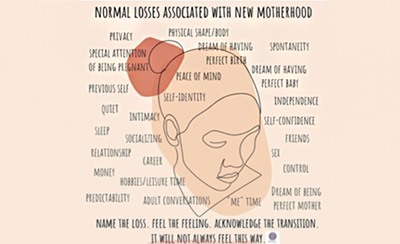 Everyone seems to be managing… except you.
You look around and see other new moms — smiling, glowing, soaking it all in. And you wonder why it doesn’t feel that way for you.
Because this isn’t what you expected.
You love your baby. But you might also feel anxious, overwhelmed, or completely unlike yourself. Your mind won’t shut off. You feel on edge, exhausted, constantly worried that something could go wrong. And you’re having a hard time focusing on anything but how overwhelmed you feel.
Having a baby is not always “love at first sight.”
It’s been nine long months. You planned for it. Read the books. Consulted with friends and family. Watched the movies and read the blog posts about how exciting and magical this time is supposed to be. You waited for it.
And now your baby is here.
But those images of new moms crying tears of joy and gushing with love feel far away. Instead, you might feel confused and conflicted.
“I love my baby, but sometimes when she cries in the middle of the night I feel a sense of dread.”
“I thought I’d feel more connected… why does this feel so hard?”
“If I’m honest, sometimes I feel resentful that I don’t have time for anything but the baby.”
“My baby is amazing, but I can’t stop worrying that something bad will happen.”
There are so many expectations about how you’re supposed to feel right now. So when someone says, “Isn’t this the most amazing miracle?” — you might want to scream, “NO, it isn’t!”
You’re allowed to feel that way. And you’re not alone.
 You are not the only one.
So many women struggle after having a baby — emotionally, mentally, and physically. As many as 50–75% of new mothers experience some form of the “baby blues,” and many go on to develop postpartum anxiety or postpartum depression. But it’s not always talked about honestly.
Social media shows a polished, filtered version of new motherhood. The real version — the one that includes fear, exhaustion, resentment, disconnection, and relentless worry — gets quietly edited out.
You might feel constantly on edge, unable to relax even when the baby is sleeping. Emotionally drained and running on empty. Disconnected from yourself — like you’ve gotten lost somewhere inside the role of “mom.” Caught between deep love for your baby and anxiety or exhaustion that won’t lift.
If any of this resonates — what you’re feeling is not a reflection of how much you love your baby. It’s a sign that you need support. And you deserve to get it.
I work with women navigating postpartum anxiety, overwhelm, and emotional challenges after becoming a mother.
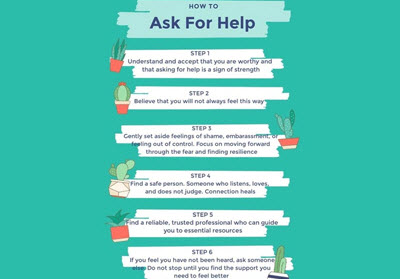 Therapy can help — and the sooner you start…
…the sooner you’ll start to feel better.
Supportive friends and family are a blessing — but having an outside perspective can genuinely change the way you feel about things. Therapy provides a space to speak freely and without judgment. To say the thoughts out loud that feel too scary to admit anywhere else — and start to understand what’s actually going on beneath them.
In our work together, I’ll help you reduce the anxiety and constant worry so you can be more present. You’ll start to feel more in control of your thoughts and emotions, more able to navigate the enormous physical and emotional changes of new motherhood, and more connected to yourself in the middle of it all.
Therapy can help you work through the stress, isolation, and emotional weight that can come with this stage of life. And if getting out of the house feels impossible right now, online therapy is available throughout New York State.
Remember that vision you had of motherhood?
It may not feel the way you expected right now — and that can be confusing and hard to sit with. You might be struggling with thoughts and feelings you didn’t anticipate. That doesn’t mean anything is wrong with you.
With the right support, things can start to feel more manageable. You can feel more grounded, more connected, and more like yourself again.
Your plate is already full, and reaching out might feel like one more thing — but you don’t have to keep doing this on your own.
Reach out to schedule a consultation: (516) 253-1918.