
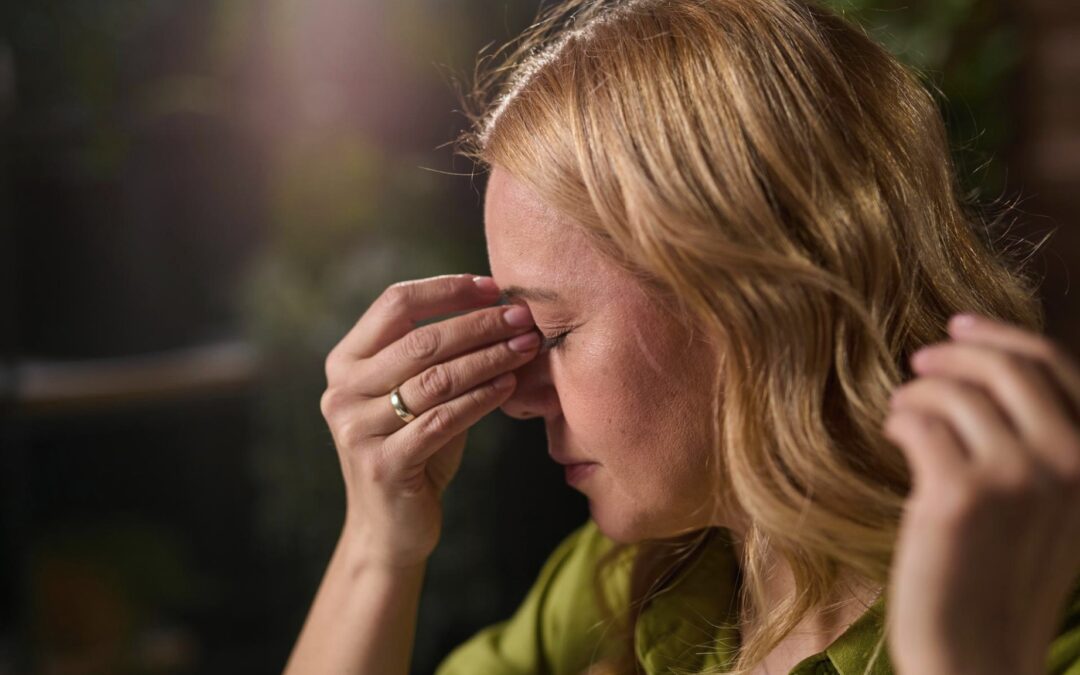
You’ve always been the one people lean on.
The friend who shows up. The family member who holds it together. The partner who manages, plans, and keeps things running. The one who handles the crisis, absorbs the stress, and somehow always has bandwidth for everyone else.
You’re the strong one. And for a long time, maybe that felt like a source of pride.
But lately it just feels heavy.
How You Got Here
Nobody decides to become the strong one. It usually develops gradually, often beginning in childhood. Maybe you grew up in a home where emotions felt dangerous, and being steady was how you stayed safe. Maybe you had a parent who struggled, and you learned early that taking care of others was your role. Maybe you were simply the responsible one, and that identity followed you into adulthood.
Over time, you internalized a belief, often without realizing it, that your job is to give, not to need. To hold, not to be held.
The Cost of Always Being Strong
Being strong isn’t a problem. Resilience, reliability, and the capacity to support others are genuine gifts. But when being strong becomes your only mode, when you never let yourself be vulnerable, never ask for help, never admit that you’re struggling, it comes at a cost.
That cost often shows up as exhaustion that won’t lift no matter how much you rest. As resentment toward the people you love, because the giving never feels reciprocal. As anxiety, your nervous system working overtime to maintain control. As a sense of loneliness even when you’re surrounded by people. As a disconnection from yourself, not knowing what you actually feel or need anymore.
And often the most powerful cost of all: a quiet, unnamed fear that if you stop holding it together, everything will fall apart.
The Myth of Strength
The women who appear the strongest on the outside are often carrying the most on the inside. The strength isn’t fake. But it’s often built on top of old pain, old fears, and old beliefs about what it means to need something.
True strength isn’t about never needing support. It’s about being able to give and receive. To be capable and vulnerable. To hold others and also let yourself be held.
The version of strength that requires you to need nothing and give everything isn’t strength. It’s self-abandonment. And it’s exhausting.
What Therapy Offers the “Strong One”
Therapy is often a revelation for women who’ve spent their lives being the strong one, because it may be the first space in their lives where they’re allowed to just be the one who needs something.
No one is leaning on you in that room. You don’t have to manage anyone else’s feelings. You don’t have to be okay. You don’t have to hold it together.
In therapy, we explore where the pattern came from. We look at the beliefs underneath it, about worthiness, about safety, about what it means to have needs. And slowly, we start to loosen them. This doesn’t mean you stop being capable or caring. It means you stop doing it at the expense of yourself.
You Deserve Support Too
If you’ve spent years being the person everyone else leans on, you deserve a space where someone shows up for you.
You don’t have to earn that. You don’t have to be in crisis to deserve it. You just have to be willing to let yourself be seen.
I’m Rivkie Yifat, LCSW, a therapist in Cedarhurst, NY specializing in anxiety and helping women who’ve spent too long putting themselves last. I work with women across Long Island and online throughout New York State. If this resonated, reach out today — I’d love to connect.